

Song Circle
A shared space for voice and rhythm and community that is open to all.
Welcome to SBBC’s Song Circle
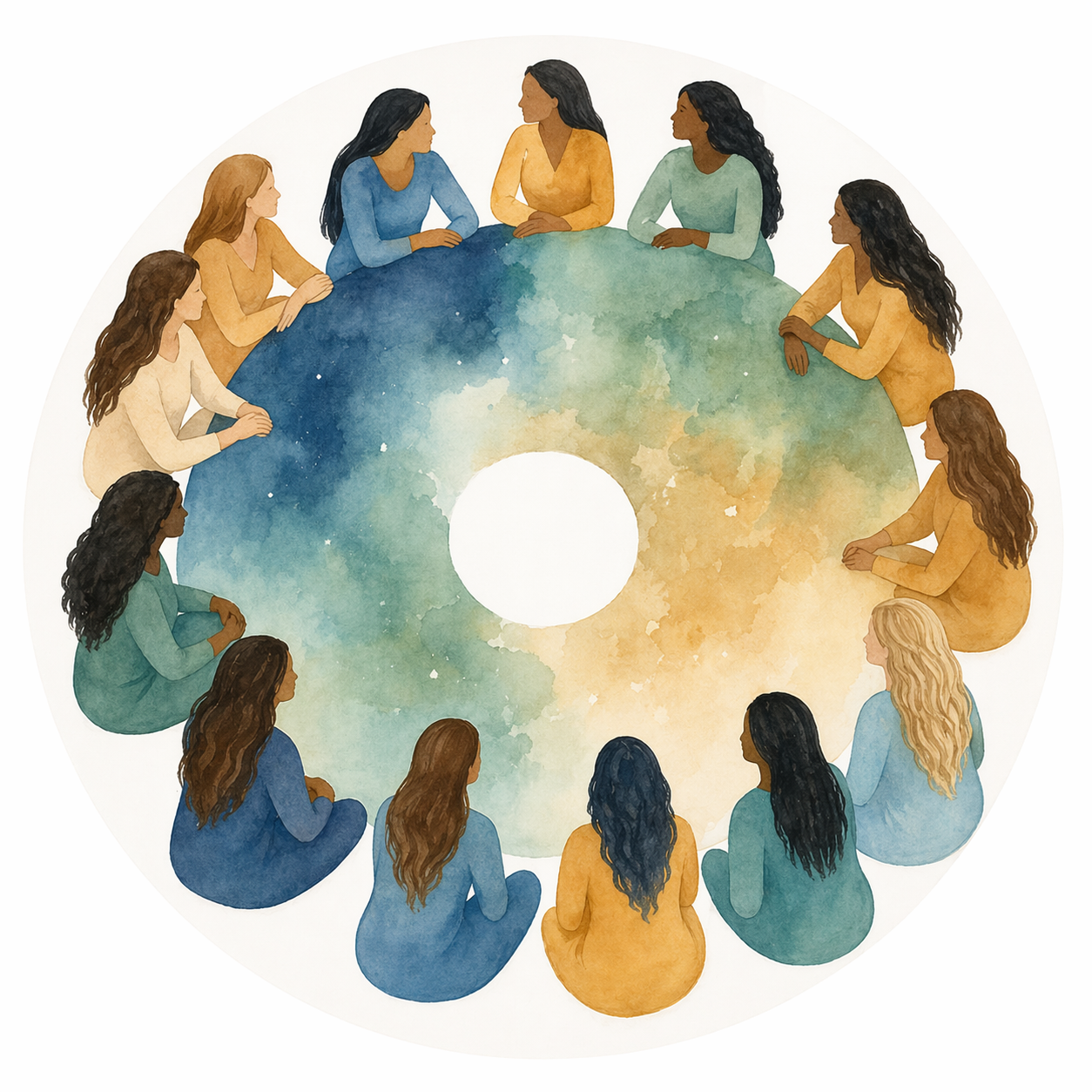
Whether you are pregnant, postpartum, parenting a newborn, a partner, a grandparent, or simply someone who wants to sing. This circle offers a space to be held and to remember the power of your own voice.
This circle is a space to gather and sing together, where all belong regardless of your ability or experience. No one will be asked to sing alone. You are welcome exactly as you are: tired or energized, sad or joyful, pregnant or postpartum, a new parent or a grandparent, or simply drawn to community..
What to Expect
We learn short, easy songs through call-and-echo—no music reading required. Some songs are sung in unison, some in rounds, and others in harmony. We also use our voices to make tones and sounds, breathe together, ground in our bodies, and be immersed in collective vibration.
Each gathering includes:
Call-and-echo song learning
Songs in unison, rounds, and harmonies
Vocal toning and breathwork
Body grounding and connection
A welcoming space for all voices
Meet Your Facilitator
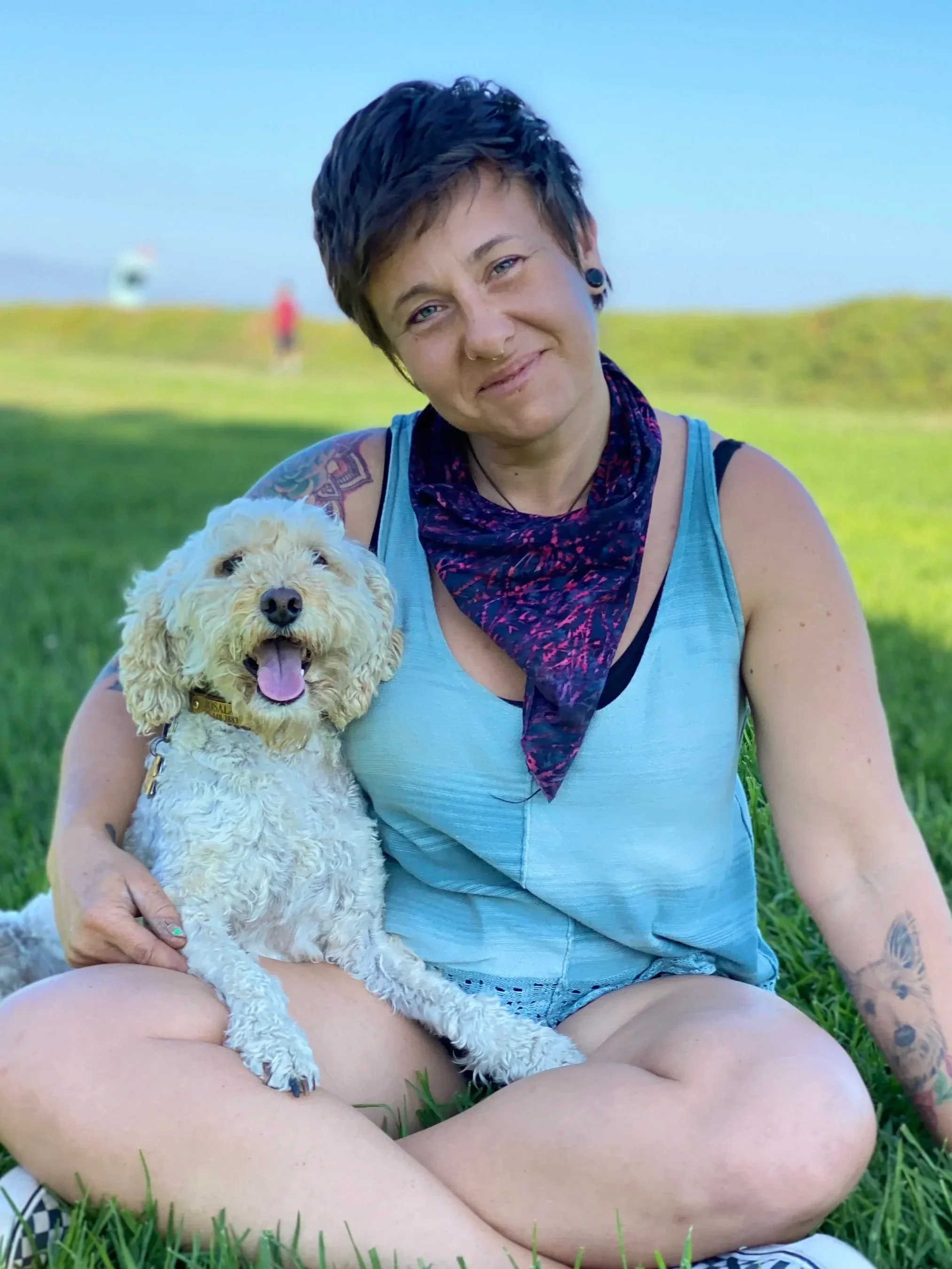
Amisha Sera Luna is a community song leader, Pilates instructor, and artist based in Santa Barbara and Washington. Her work centers on building strength and body awareness through concentrated, embodied movement—a philosophy that extends beautifully into her approach to singing. She understands that voice work is body work, that singing is a physical practice of grounding, breathing, and connecting.
Through call-and-echo learning, Amisha creates a space where voices can be discovered, not performed. Where breath can deepen, bodies can ground, and community can form through sound. She brings creativity, deep respect for the power of singing in community, and a gentle invitation for everyone to remember their own voice.
Join Us
When: First Monday of each Month at 5PM
Where: Santa Barbara Birth Center
Questions: Contact us
Cost: $5-$15
*Space is limited to 15 people.
Benefits of Singing:
Singing in community is one of the oldest human practices. It does not require a reason, a milestone, or a life transition.
For everyone: Research shows that group singing supports wellbeing in ways both immediate and lasting. Partners, grandparents, neighbors, and friends are all welcome here.
For your mind: Learning songs engages memory and focus, creating a meditative state. The call-and-echo format offers a gentle rhythm of listening and responding that soothes the mind.
For your breath: Breathing and singing are inseparable. Learning to lengthen your exhale and vocalize on the out-breath serves you during labor and in moments of stress. Breath is both anchor and tool for release.
For your emotions: Singing in community creates connection and belonging. When we breathe and sing together, we synchronize not just our voices but our sense of being held. This eases isolation, builds resilience, and allows emotions to move through us.

For your body: Singing requires deep, steady breathing that calms the nervous system and eases physical tension. The vibrations created by sound move through your entire body, creating a gentle internal massage. You engage your diaphragm, your core, your posture—your body becomes an instrument.
For pregnancy and birth: Breath and voice work prepare you for the journey ahead. Babies in the womb recognize their parents' voices, and the songs you sing become a bridge between womb and world. After birth, these familiar melodies often soothe and comfort your baby.
For postpartum: Singing supports the body as it heals and changes. It offers a space to reconnect with your breath, process the intensity of birth, and simply be as you adjust to this new season.

The Story Behind the Practice

This circle draws on work that began in 1976 at Pithiviers Hospital in France, where obstetrician Michel Odent invited classical singer and sound practitioner Marie-Louise Aucher to lead weekly prenatal singing workshops.
-
Michel Odent transformed birth care at Pithiviers Hospital from 1962 to 1985. He introduced home-like birthing rooms, birthing pools, and an approach centered on minimal intervention and environmental support for physiologic birth. Odent understood that women in labor needed to access the instinctual, primitive parts of the brain, and that singing, breath, and sound could support this process.
His invitation to Marie-Louise Aucher brought prenatal singing into a hospital setting where it quickly demonstrated its power to deepen breath, ease labor, and connect mothers with their babies.
-
Marie-Louise Aucher was a French classical singer who spent years observing how sound vibrations moved through her body. While singing in Paris churches during the 1950s, she noticed that specific musical notes resonated in particular places in her body. This led her to map "l'échelle des sons," a scale of resonances spanning four octaves from feet to head. She presented this discovery to the Académie of Sciences in Paris in 1960, creating the foundation of Psychophonie, her body-based approach to singing. When pregnant students in her classes experienced profound benefits, she adapted her work specifically for pregnancy, birth, and postpartum, understanding that babies in the womb are deeply receptive to sound vibrations.
Together, their collaboration at Pithiviers Hospital established a practice that continues today in France and has spread throughout Europe. We honor this lineage while welcoming everyone to our circle.
Frequently Asked Questions
-
Not at all. We learn songs through simple call-and-echo, and no one sings alone. If you can speak, you can sing with us.
-
No. While we honor the tradition of prenatal singing circles, this gathering welcomes everyone — pregnant, postpartum, parenting a newborn, a partner, a grandparent, or simply drawn to singing in community. You do not need a connection to pregnancy or birth to belong here.
-
Many of us carry stories about our voices. This circle is a safe, nurturing space with no performance and no judgment—only collective sound and breath.
-
Yes. Babies and young children are welcome. So are partners, grandparents, and anyone who wants to be part of a family's circle of support.
-
Come as your schedule and energy allow. You're welcome whether you attend weekly or drop in when you can.
-
Just yourself. Wear comfortable clothing and bring water if you'd like.